
Artificial intelligence has shifted how teams approach development. Vibe coding tools and AI coding assistants can reduce repetitive work and assist with debugging. And, unsurprisingly, many companies lean into these tools to shorten timelines. In the early stages, the results look strong. Features ship quickly, prototypes come together faster, and progress is visible.
The strain shows up later, particularly with teams using AI to code with minimal oversight. For example, this can look like:
- Site or app updates taking longer
- Minor changes affecting something unrelated
- Releases feeling risky
Often, these situations occur because the underlying architecture was never fully defined. The code technically works, but the system becomes harder to understand.
For some teams, these signals feel familiar. If your site is harder to maintain after vibe coding, the issue typically stems from too little human guidance during development. Below, we’ll outline where challenges begin and how developers like ours bring the system back to a stable state.
The Promise and Misunderstanding of Vibe Coding
Inside a disciplined development environment, AI is a practical extension of your team. Developers use an AI coding assistant to draft components they already understand, generate variations quickly, or scan large codebases to diagnose issues. The model produces an initial version, and the developer decides how that output fits within the wider system.
Whether AI improves a development process depends on what happens after the code gets generated. It’s clear that responsible AI use still relies on experienced developers. They review AI-generated code against recognized conventions and confirm it fits within the existing architecture. They also assess how it interacts with other components and watch for any unintended impacts.
When misunderstandings occur, it’s often because a team is treating vibe coding output as completed engineering. However, simply getting a feature to run doesn’t define how it connects to surrounding systems or evolves within a platform. Those choices require human context, history, and long-term thinking.
When we integrate AI-generated code into a thoughtful process, it adds efficiency. However, when we instead use it to replace an intentional framework, issues begin. This is especially true when the system rests on an undefined foundation.
The Downward Spiral of Careless Vibe Coding
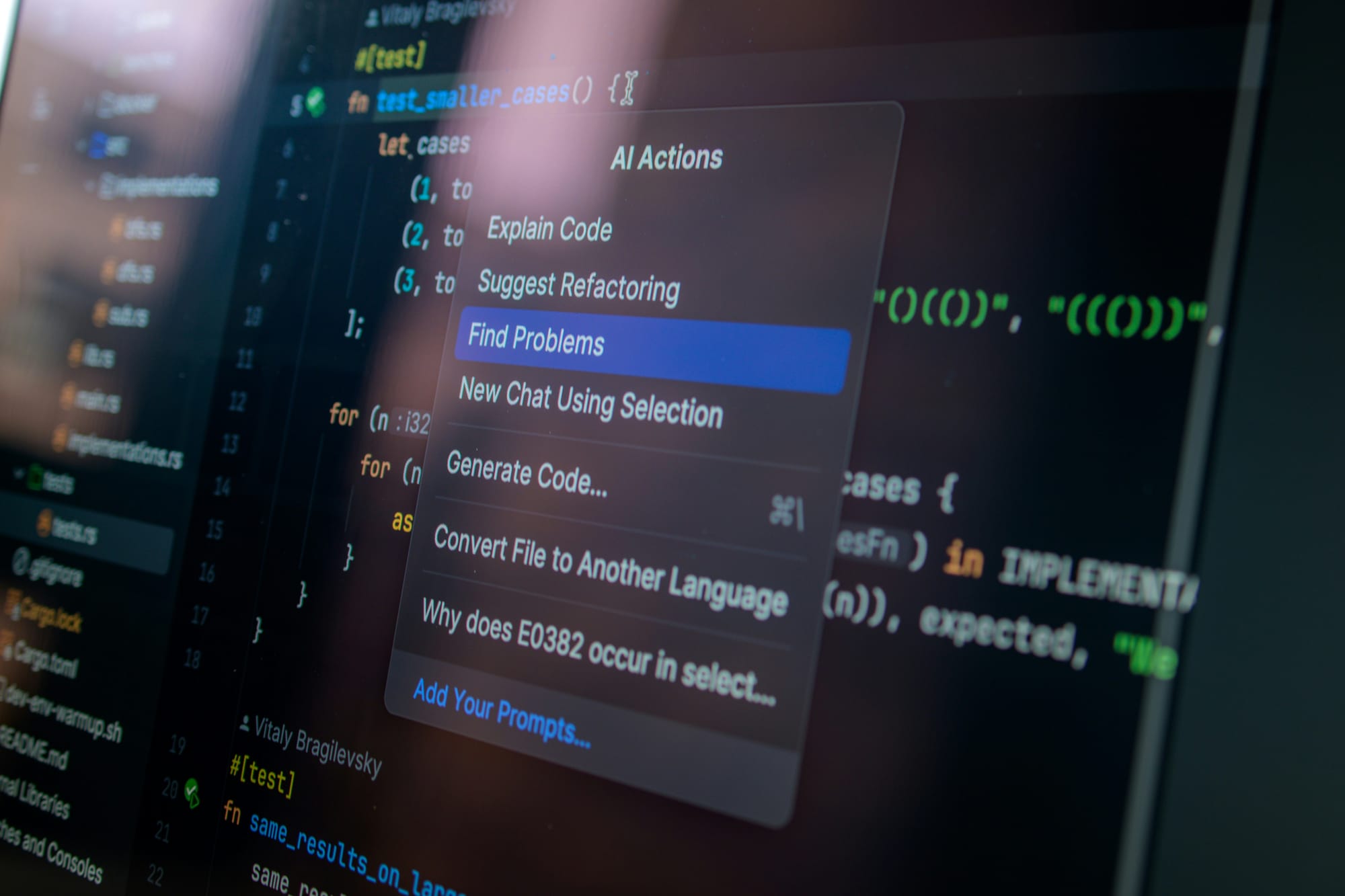
We’re seeing a consistent pattern across businesses that lean too heavily on AI without strong developer involvement. The progression often looks like this:
1. Developer oversight dwindles.
To reduce costs or move faster, organizations limit involvement from experienced developers. AI coding assistants take on more responsibility for building features.
2. Early wins reinforce the decision.
Features ship quickly. You meet your deadlines. The platform seems stable, and stakeholders feel confident in the direction.
3. Complexity builds.
As you add more features, structural inconsistencies become harder to track. Minor updates require more custom handling, and performance varies under heavier traffic and usage. Overall, small changes demand more investigation than expected.
4. Maintenance surpasses momentum.
Instead of focusing on new capabilities, teams spend more time troubleshooting. Updates feel risky because no one is sure how different pieces interact.
5. You bring (human) developers back in.
At this stage, the goal shifts from building new features to making the platform reliable again. Experienced developers step in to review the structure, standardize the codebase, and address performance issues from the original build.
This pattern isn’t a failure of AI. It’s what happens if speed moves ahead of structure. When AI operates inside a clear framework, teams can move quickly while the system stays stable through growth.
Fixing Systems Built with Vibe Coding Tools
When teams contact us after building entirely with AI models, their site or app is usually live and serving real users. To avoid disruption, we start by mapping the system and identifying dependencies. From there, the path falls into one of two directions:
Stabilization for immediate reliability: If elements of your system are unpredictable, we reinforce the areas that cause hesitation. That might mean cleaning up inconsistent brand elements or clunky features.
Structured refinement for long-term growth: If your system needs a stronger foundation, we work through it in stages. We revamp poorly optimized code that affects performance while keeping the site or app running smoothly.
In some cases, rebuilding select architectural components delivers the best long-term outcome. Even then, AI remains part of the workflow, operating within a clearly defined structure guided by coding professionals.
Guardrails for Sustainable AI Programming
Vibe coding software can help you move fast, but lasting progress starts with a well-built system. Here’s what strong groundwork looks like:
- Clear architectural ownership: You organize the system and define how new features connect to it. AI supports your structure rather than shaping it on its own.
- Defined review standards: AI-generated changes pass the same review process as human-written code. For example, we run tests and consider edge cases. The output is evaluated in context rather than in isolation.
- Consistent conventions: Naming patterns and file organization align across the codebase. When standards are visible and enforced, new contributions feel cohesive.
- Documented reasoning: Your team writes down key architectural decisions so future updates rely on mutually accessible knowledge.
- Configured AI boundaries: You prompt AI tools to follow established patterns and requirements. That guidance keeps output aligned with the rest of the system.
Despite the ubiquity of AI programming tools, developers remain central to building and preserving reliable systems.
Is It Time for Human Developers to Take the Lead Again?
If this feels familiar, you may have already run into these challenges with AI-led development. Many times, when a project employs AI tools to grow quickly, new developers must revisit the foundation before the build can continue.
Our developers partner with businesses to stabilize systems built heavily with AI. The first step is to understand how your site or app currently functions. From there, we audit the system, clean up any sub-optimal patterns that have built up over time, and fix the issues that limit performance.
At Chek Creative, AI remains an instrumental part of the workflow. Work moves in small steps, features start with defined issues, and every change goes through review. Test-driven development keeps progress steady, while humans guide each decision. In our work, AI streamlines coding while developers guide the technical decisions.
If your site launched quickly with AI tools and now feels harder to maintain, it may be time for a closer look. We work with businesses like yours to review what’s in place and help restore a structure that supports future work. Let’s take a look together.